They built the thing you are using
12Patents and discoveries from people who in most of these years could not vote in the states they filed from.
They made the argument
12Before there was a movement there were people saying it out loud, in print, alone.
They moved the country
14The Black press was covering these people while it was still happening, and while it was still dangerous.
They carried it past the border
6The Black press in America covered African and Caribbean liberation as its own story, because it was.
They made it impossible to look away
11The work was the argument. It traveled where a speech could not go.
They won in front of everybody
5In a country arguing that Black people were lesser, a result on a scoreboard is not a small thing.
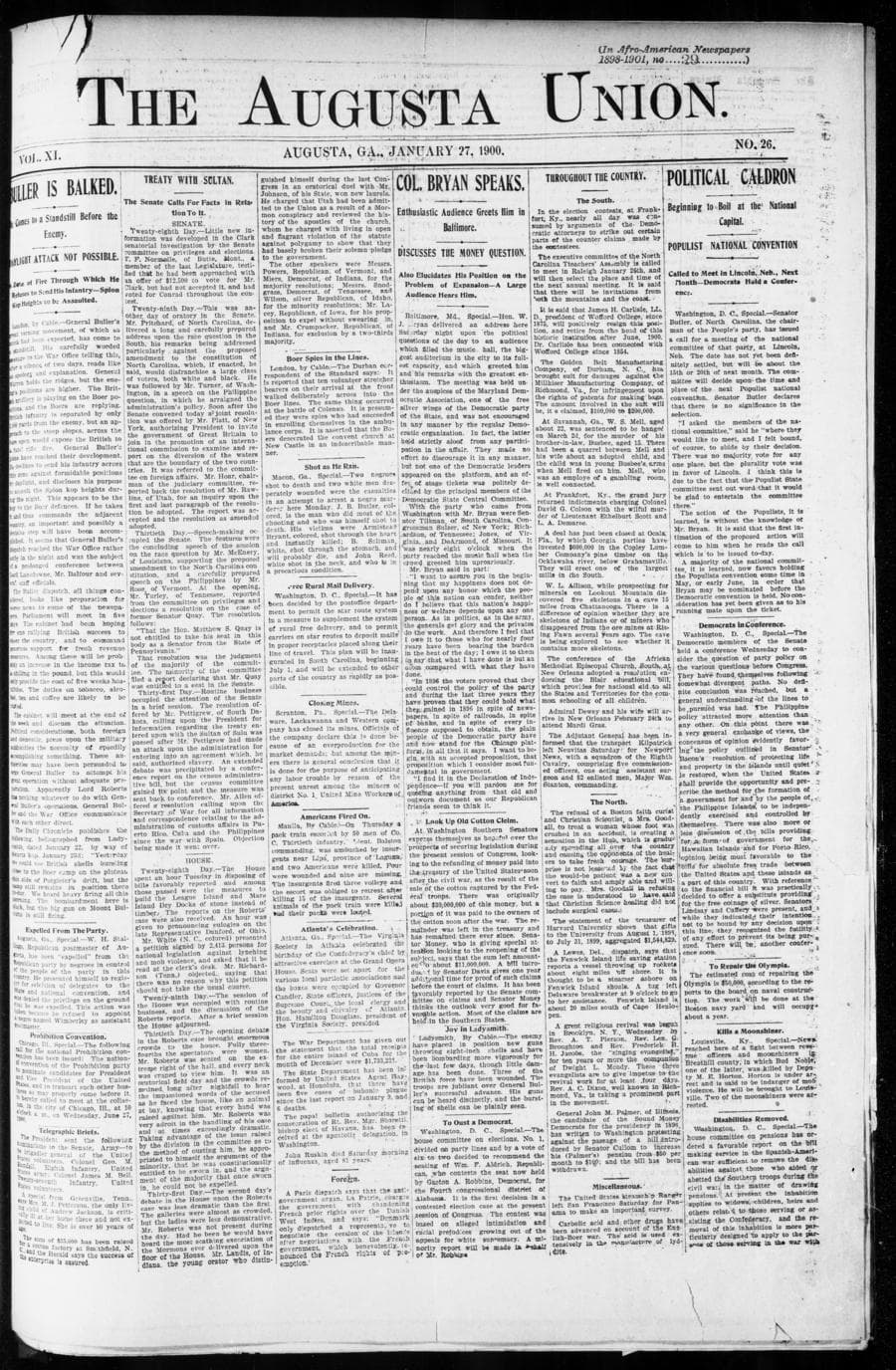
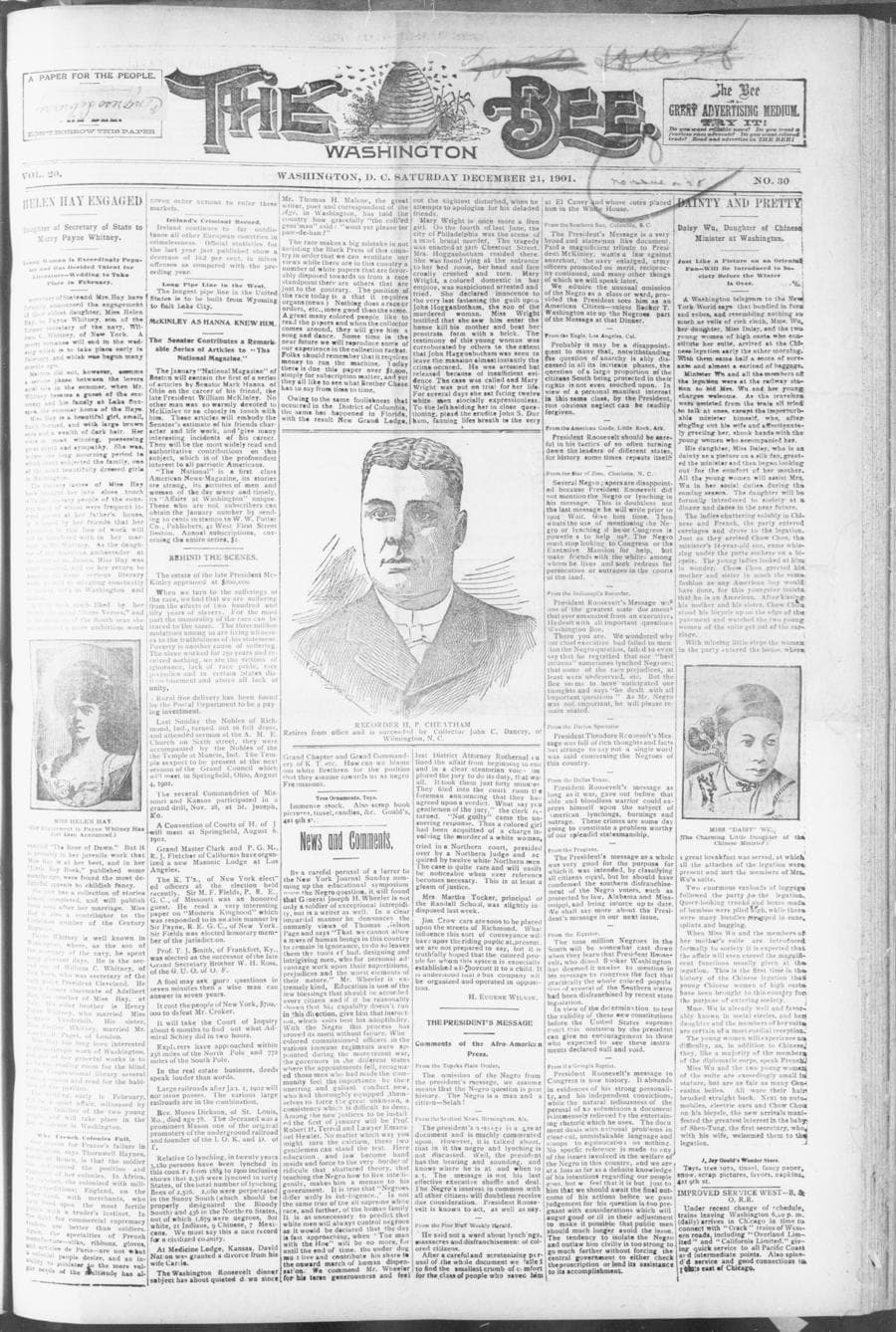
Where these citations come from. Each one was found by searching the Library of Congress’s Chronicling America collection, filtered to its own subject heading for African American newspapers, and merged in by script rather than typed — a citation nobody checked is not a citation. All 60 were then confirmed one at a time against the Library’s API to be real issues with a scanned page behind them — the check took three passes because the Library rate-limits it. The links themselves sit behind a Cloudflare bot check, which means they open normally for you and refuse an automated request — that is the Library’s door policy, not a broken link. Where a year is given below it is the year the thing happened, because for a person whose moment has a date that is the honest citation. The issue counts measure how much the Black press wrote about someone in that collection; they are not a ranking, and the collection ends in the 1960s, which is why the movement is thinner here than the century before it.